Commercial
World Drowning Prevention Day: Keeping Australian Waters Safe
19 July, 2026
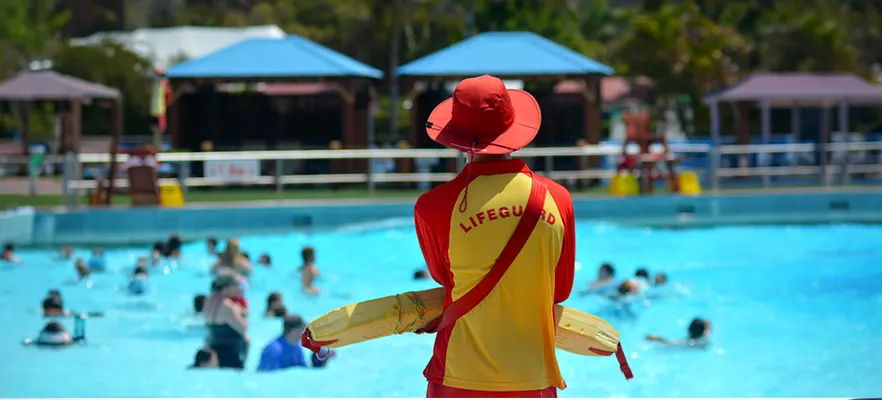
Every year on 25 July, World Drowning Prevention Day serves as an important reminder that drowning is preventable. Established by the United Nations, this global awareness day encourages individuals, communities and organisations to take action to improve water safety and reduce the number of preventable drowning deaths.
For Australians, where swimming pools, beaches, rivers and lakes are part of everyday life, understanding the risks around water is essential. Whether you own a backyard pool, visit your local aquatic centre or supervise children during the holidays, simple safety measures can make a life-saving difference.
This guide explains why World Drowning Prevention Day matters, the common causes of drowning, practical pool safety tips, and how innovative technology such as the Poseidon Drowning Detection System is helping make public pools even safer.
What Is World Drowning Prevention Day?
World Drowning Prevention Day is observed annually on 25 July to raise awareness of drowning as a major but preventable public health issue. The day highlights the importance of education, supervision, swimming skills and water safety measures that can reduce drowning incidents around the world.
The campaign encourages governments, organisations and individuals to work together to improve water safety through better education, safer environments and the adoption of proven prevention strategies.
Why Drowning Prevention Matters in Australia
Australia's outdoor lifestyle means millions of people enjoy swimming every year. From backyard pools to public aquatic centres and natural waterways, access to water is part of everyday life. While swimming provides excellent recreation and exercise, it also brings responsibility.
Drowning can happen quickly and quietly. Contrary to what many people believe, people who are drowning often cannot call for help or wave their arms. This is why active supervision and early intervention are important.
Children, particularly those under five years of age, remain among the groups most at risk. However, drowning can affect people of all ages, including experienced swimmers, making water safety everyone's responsibility.
By understanding the risks and following proven safety practices, Australian families can enjoy the water with greater confidence.
Common Causes of Drowning
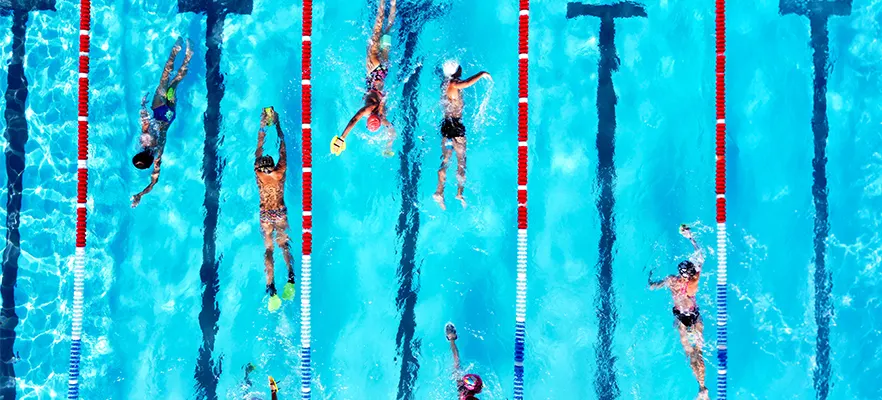
Understanding the factors that contribute to drowning is the first step towards prevention.
Lack of Active Supervision
Children should always be actively supervised whenever they are near water. Even a few moments of distraction can be enough for an accident to occur.
Inadequate Pool Barriers
Properly maintained pool fencing and self-closing gates play a vital role in preventing unsupervised access to swimming pools.
Limited Swimming Skills
Knowing how to swim significantly improves water safety. Swimming lessons help children and adults build confidence and develop important survival skills.
Poor Emergency Preparedness
Learning CPR and knowing how to respond during a water emergency can save valuable time while emergency services are on their way.
Overestimating Ability
Strong swimmers can still encounter unexpected situations such as fatigue, medical emergencies or hazardous water conditions. Following pool rules and recognising personal limits remain important for everyone.
How to Make Your Backyard Pool Safer
If you own a swimming pool, creating a safe environment should always be a priority.
Install and Maintain Compliant Pool Fencing
Pool fencing is one of the most effective ways to prevent unsupervised access. Regularly inspect gates, latches and fences to ensure they meet Australian safety requirements.
Keep Gates Closed
Self-closing, self-latching gates should never be propped open.
Remove Climbable Objects
Furniture, pot plants and toys placed near fences can allow children to climb into the pool area.
Learn CPR
Every pool owner should complete CPR training and refresh their skills regularly.
Store Rescue Equipment Nearby
Keep rescue equipment and a phone close to the pool so you can respond quickly during an emergency.
Maintain a Clean Pool
A well-maintained pool provides better visibility, making it easier to spot someone in difficulty. Regular maintenance using a quality robotic pool cleaner helps keep the pool floor and walls free from debris while maintaining clear water.
Pool Safety Tips for Australian Families
Good pool safety involves more than just supervision. These practical habits can help reduce the risk of drowning.
Always actively supervise children around water.
Teach children to swim from an appropriate age.
Avoid distractions such as mobile phones while supervising.
Ensure pool fencing complies with local regulations.
Never rely solely on inflatable toys or flotation devices.
Keep rescue equipment nearby.
Learn CPR and refresh your training regularly.
Follow all pool rules and warning signs.
Avoid swimming alone whenever possible.
Never run around pool edges.
Staying Safe at Public Pools
Public aquatic facilities are designed with safety in mind, but visitors also play an important role.
When visiting a public pool:
Always follow lifeguard instructions.
Swim in designated areas.
Supervise children, even when lifeguards are present.
Be aware of water depth before entering.
Report hazards immediately.
Encourage children to follow pool rules.
Many public pools across Australia are also adopting advanced technologies that provide an additional layer of safety.
Recognising the Signs of Drowning
One of the biggest misconceptions about drowning is that it is loud and dramatic. In reality, drowning is often silent. Signs that someone may be drowning include:
Head low in the water.
Mouth at water level.
Glassy or unfocused eyes.
Hair covering the face.
Vertical body position with little or no kicking.
Attempting to swim without making progress.
Gasping for air.
Inability to call out for help.
Recognising these warning signs early can allow for faster intervention and potentially save a life.
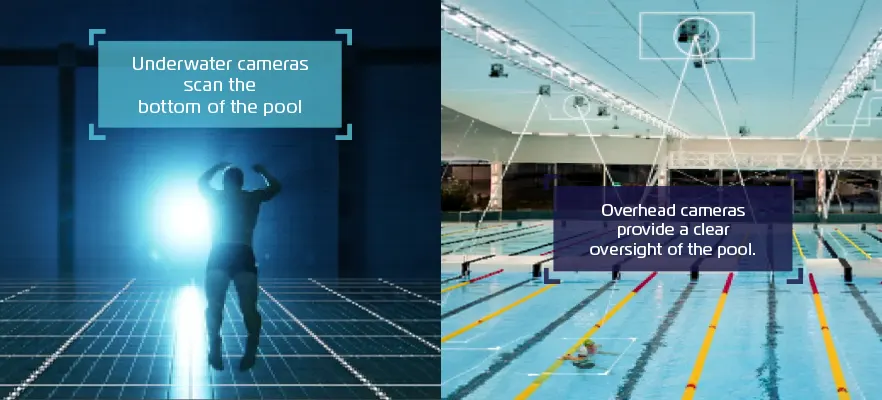
How the Poseidon Drowning Detection System Supports Lifeguards
Technology continues to play an important role in improving water safety.
The Poseidon Drowning Detection System is an advanced underwater monitoring solution designed to assist lifeguards in public aquatic facilities. Using intelligent camera technology and sophisticated detection algorithms, the system continuously monitors swimmer activity beneath the water's surface.
If unusual movement patterns or prolonged submersion are detected, the system immediately alerts lifeguards, allowing them to investigate more quickly.
It is important to remember that Poseidon does not replace trained lifeguards. Instead, it provides an additional layer of support that can help improve response times during potential emergencies.
The system is particularly valuable for:
Public aquatic centres
Council swimming pools
Schools
Universities
Leisure centres
Commercial aquatic facilities
By combining experienced lifeguards with advanced monitoring technology, aquatic facilities can further strengthen their commitment to swimmer safety.
Pool Safety Checklist
Before anyone enters the water, take a few moments to review this simple checklist.
✔ Actively supervise children at all times.
✔ Ensure pool gates close and latch correctly.
✔ Remove toys and climbable objects from the pool area.
✔ Keep rescue equipment nearby.
✔ Learn CPR.
✔ Follow all pool safety rules.
✔ Encourage swimming lessons.
✔ Never swim alone.
✔ Stay alert around water.
Small actions can make a significant difference in preventing accidents.
Frequently Asked Questions
What is World Drowning Prevention Day?
World Drowning Prevention Day is an annual global awareness day held on 25 July that promotes water safety and encourages action to reduce preventable drowning deaths.
Why is drowning prevention important?
Drowning is one of the leading causes of accidental death worldwide. Many drowning incidents can be prevented through supervision, swimming education, safe environments and effective emergency response.
How can I make my swimming pool safer?
Maintain compliant pool fencing, actively supervise children, learn CPR, remove hazards from around the pool and keep the water clean and visible through regular maintenance.
What are the signs that someone is drowning?
People who are drowning may remain silent, struggle to keep their mouth above the water, appear unable to move forward or show little body movement while remaining upright.
What is the Poseidon Drowning Detection System?
Poseidon is an intelligent underwater monitoring system designed to assist lifeguards by detecting potential drowning incidents and providing rapid alerts in public aquatic facilities.
Does drowning detection technology replace lifeguards?
No. Drowning detection technology is designed to support trained lifeguards by providing an additional layer of monitoring that may improve response times.
Every Action Helps Prevent Drowning
World Drowning Prevention Day reminds us that everyone has a role to play in creating safer aquatic environments. Whether it is supervising children, learning CPR, maintaining a safe backyard pool or supporting the use of innovative technologies such as the Poseidon Drowning Detection System, every action contributes to reducing the risk of drowning.
By working together, Australian families, pool owners and aquatic facilities can help ensure that swimming remains a safe and enjoyable activity for everyone.
This 25 July, take the opportunity to review your own water safety practices, encourage others to do the same and help build a safer future around water. Small actions today could save a life tomorrow.
Pool Cleaner
pool vacuum
commercial pool cleaner
robotic pool cleaner